First get your Tyre sizes
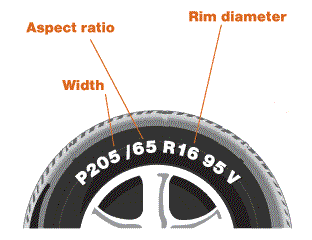 this tyre would be 205/65/16,
commercial tyres (van, table -top, etc)
may only have two numbers ie: 205/16
this tyre would be 205/65/16,
commercial tyres (van, table -top, etc)
may only have two numbers ie: 205/16
this tyre would be 205/65/16,
commercial tyres (van, table -top, etc)
may only have two numbers ie: 205/16
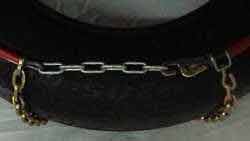
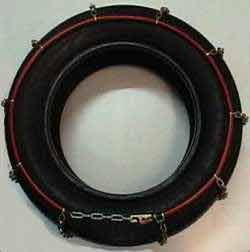
There are several different kinds of snow chains the two main types are ladder pattern and diamond pattern.
If you have not fitted chains before, learn how to fit them when you get them in the dry because it won't be any easier. You can expect below zero temperatures, chilling winds and wet cold hands when you have to fit your chains on the mountain.
Fit chains to the driving wheels. (Do the front wheels propel the car, or do the rear ones?) Look underneath your car for a tail shaft (long round piece of metal that spins and connects motor with back of car) fit chains to rear wheels if so. If not fit to front wheels.
Chain size is calculated using three of your tyre sizes - Wheel Size, Tyre Width and Series. There are a number of different chain sizes, one size chain can fit over 35 different tyre sizes. Additionally if your rims have been altered from standard the profile of the tyre would also change. The only guarantee that your chains will fit is to check them at point of purchase or hire
When travelling into the mountains the roads are usually marked by signs indicating when to fit chains, however if you are travelling and it starts to dump snow before signs are in place you will have to use common sense. You will notice the snow on the road is building, reduce your speed to a crawl then push hard on the brakes, if the car slides on the road it is time to fit chains. If you are driving up the mountain at this stage you can expect the weather to be colder and therefore the snow thicker definitely requiring chains. Look for a clear spot on the side of road or chain fitting bay. Don't stop in the middle of road! (yes, people do)
National Park regulations state that all vehicles (except 4WD vehicle) entering the National Park must carry chains when driving through designated 'snow and ice' risk sections Random chain inspections take place throughout the ski season and fines exceeding $300 will be issued to drivers who fail to comply with National Park regulations on the use of snow chains While four wheel drive vehicles may not be required to fit chains, it is still wise to carry them and will certainly assist if you lack experience driving on ice and snow. You may also need them in the event of extreme weather conditions
The regulation does not clarify the status of AWD vehicles. When fitted with winter tyres or snow chains AWD vehicles provide the same advantages of driving on snow covered roads as other types of 4WD vehicles
Ladder Chains |
|
|
|
|
|
Diamond Chains |
|
|
|
|
Removal |
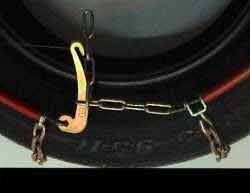
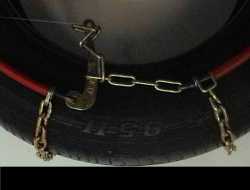
Undo tension chain, Undo green link, Disconnect inner hoop, Lay chain on road, Drive forward. |